

The supply base is concentrated
Many articles still come from a small set of design and production approval holders, or from a small set of shops that can legally and competently work them. When one of those sources slips, the spot market cannot invent a new approval overnight.
Used and surplus material fills some of the gap. It only fills the gap the buyer’s technical and quality rules allow. A hangar full of as-removed units is not the same as a serviceable unit with an acceptable release.
Lead time is designed into the part
Materials, special processes, and shop capacity do not scale like consumer goods. A forecast miss, a quality escape, or a shop backlog becomes a shortage months later, which is why last week’s “available” answer can be wrong.
Buyers feel this most on AOG, when the planning buffer has already been used. The shortage is often older than the grounded aircraft.

Information shortages look like parts shortages
Sometimes the unit exists and cannot be bought because the serial, the trace, or the title is unclear. Teams report that as “no stock.” The fix is a better file or a different unit, not a louder enquiry.
Fragmented phone sourcing makes this worse. Five brokers can all be offering the same constrained unit, which looks like five options until someone asks for the serial number.
What to do while the shortage is real
Write the acceptable alternatives before the aircraft is down: approved substitutes your engineering already accepts, repair options, and the documents you will not waive. Searching for policy during an AOG is how corners get cut.
Use a single requirement so you can see duplicate offers. Pay only the supplier you have identified. A shortage is not a reason to send money to an account you have not checked.
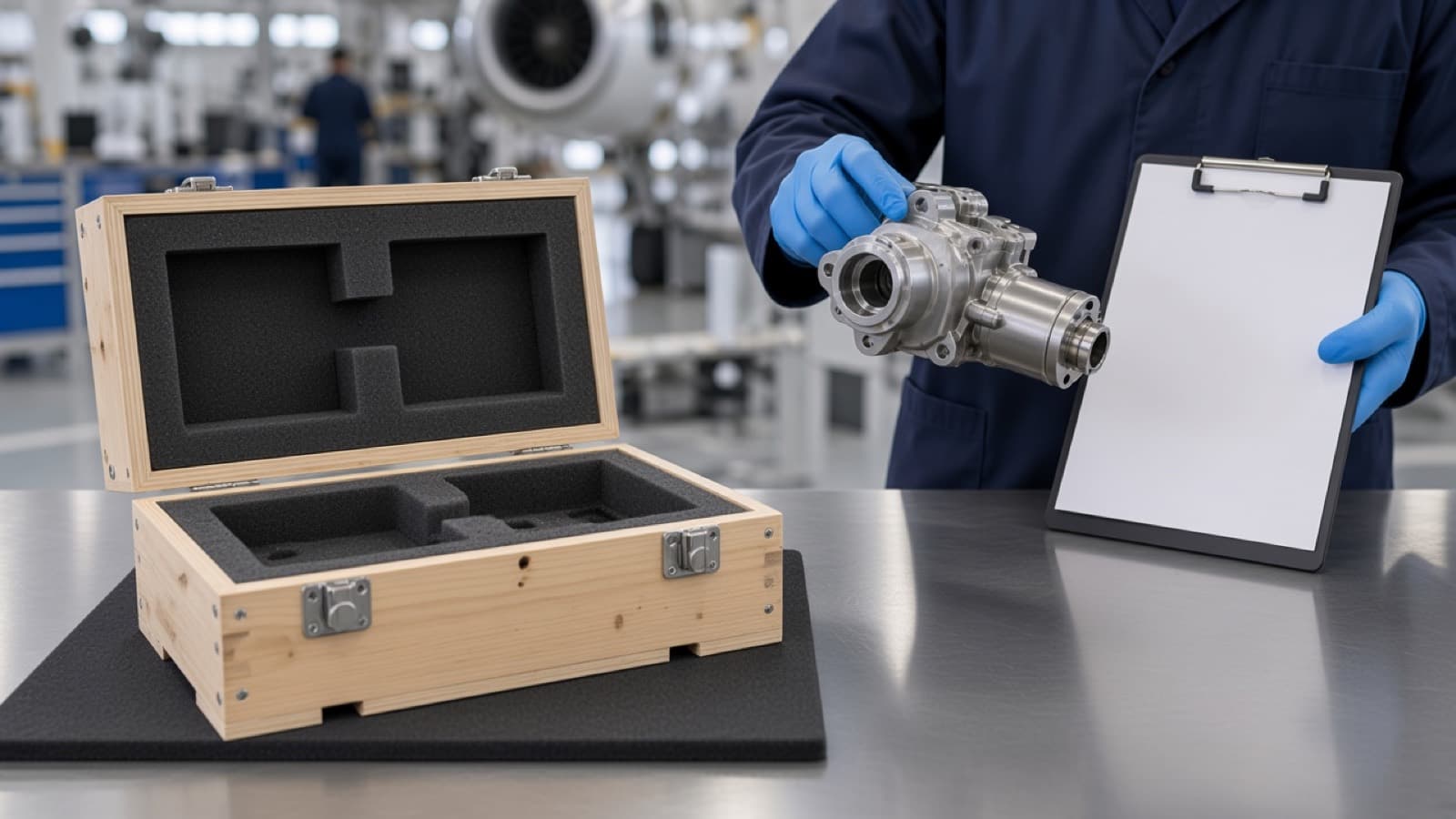
A shortage is often an acceptance problem wearing a stock mask
Sometimes the unit exists and cannot be bought because the serial, the trace, or the title is unclear. Teams report that as no stock. The fix is a better file or a different unit, not a louder enquiry. Five brokers offering the same constrained serial can look like five options until someone asks for the number.
Used and surplus material fills only the gap the buyer's technical and quality rules allow. A shelf of as-removed units is not a serviceable unit with an acceptable release. Concentrated production approvals and shop capacity do not scale because a buyer is grounded.
The shortage is often older than the aircraft that is down. Materials, special processes, and shop slots slip months before the AOG. Last week's 'available' answer can be wrong without anyone having lied on the day they said it.
Prepare the acceptable path while the usual source is healthy
Write the substitutes your engineering already accepts, the repair options, and the documents you will not waive. Searching for policy during an AOG is how corners get cut. Use one requirement so duplicate offers are visible.
Pay only the supplier you have identified, after the account is checked. A shortage is not a reason to send money to instructions that changed in the last hour.
Keep the search wide and the acceptance narrow. Those are compatible. The first collects options. The second refuses the ones your system cannot use.
Start a requirement
Put the part, the records, and the timeline in one request
Describe the article, condition, documentation, and delivery need through TabAir. A structured request is easier to compare than a chain of informal calls.
This article is general marketplace guidance from TabAir. It is not technical, airworthiness, legal, tax, export-control, or financial advice. Buyers, sellers, and agents remain responsible for their own technical acceptance, licences, and commercial decisions.