

The term is the activity, not a single company type
Maintenance, repair, and overhaul covers line maintenance, base maintenance, component shops, and engine shops. They do not all hold the same approvals or the same authority to release an article.
When a listing says “from an MRO,” ask which organisation, what work it did, and which document it issued. The acronym is not a release certificate.
MROs buy differently from traders
A shop buying for an open work order cares about effectivity, turnaround, and whether the article will pass its own incoming inspection. A shop buying for stock may have more time and a stricter internal standard.
Sellers who answer with the work-order need, not with a generic discount, get further. The part number on the request is usually the start of the question, not the end.

MROs also create inventory
Removals, customer-furnished leftovers, and project cancellations leave material on shelves. Some of it can be sold. Some of it belongs to the customer or the lessor. Title is the first sort.
Condition must follow the shop’s own paperwork. A unit removed for troubleshooting is as-removed until an authorised process says otherwise.
Where a marketplace fits
TabAir can carry a listing or a requirement between an MRO and a seller or agent who are not already in each other’s vendor files. The MRO’s approval, its receiving, and its customer’s acceptance stay with the MRO.
Do not describe TabAir as an MRO. It is not a repair station and it does not release parts to service.
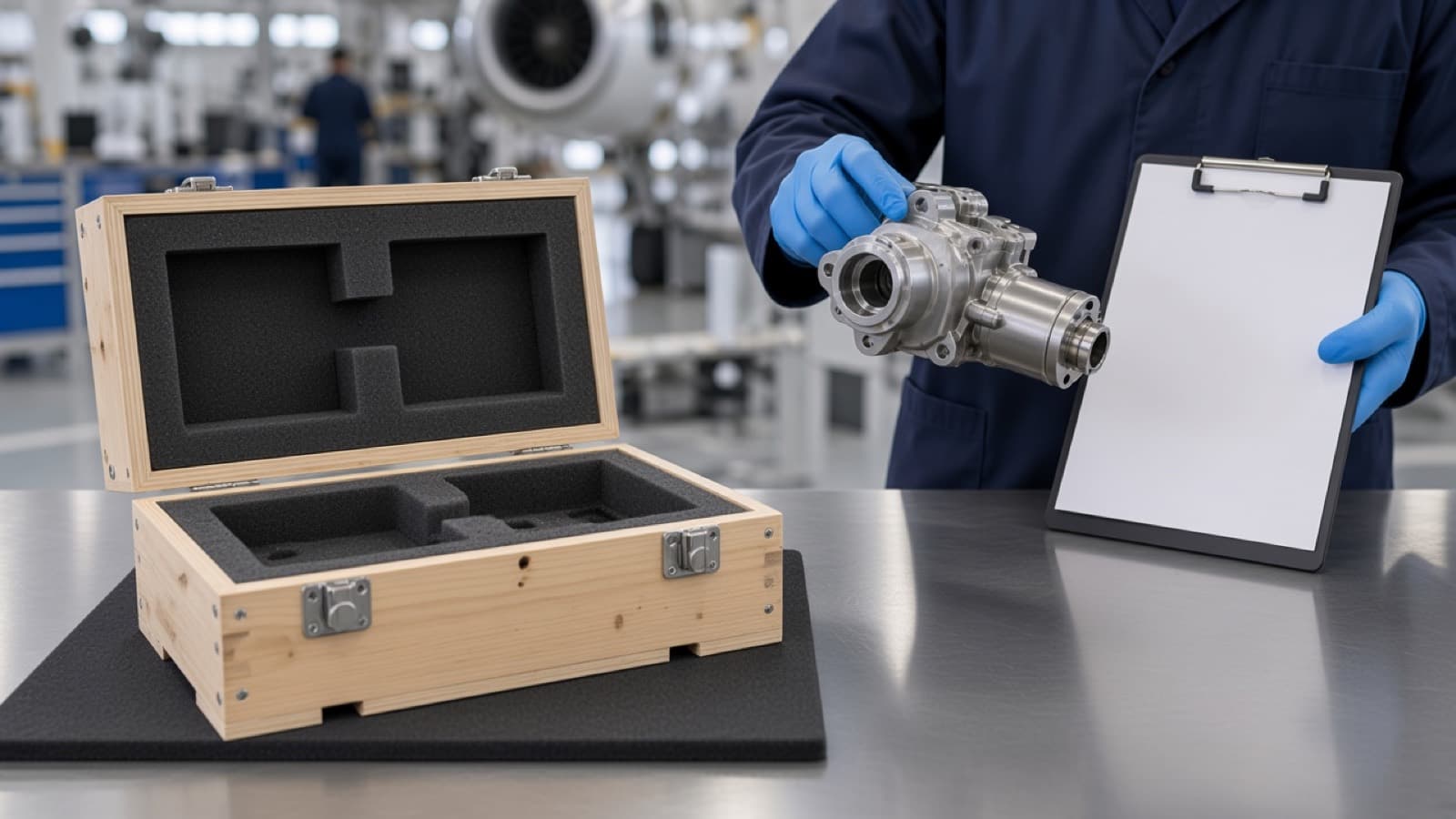
The acronym is not a release
Maintenance, repair, and overhaul covers line maintenance, base maintenance, component shops, and engine shops. They do not all hold the same approvals or the same authority to release an article. When a listing says 'from an MRO,' ask which organisation, what work it did, and which document it issued.
A shop buying for an open work order cares about effectivity, turnaround, and whether the article will pass its own incoming inspection. A shop buying for stock may have more time and a stricter internal standard. Answer the work-order need, not a generic discount.
Removals and cancelled jobs leave material on shelves. Some of it can be sold. Some of it belongs to the customer or the lessor. Title is the first sort. A unit removed for troubleshooting is as-removed until an authorised process says otherwise.
TabAir is not the shop
The platform can carry a listing or a requirement between an MRO and a seller or agent who are not already on each other's vendor list. The MRO's approval, its receiving, and its customer's acceptance stay with the MRO.
Do not describe TabAir as an MRO. It is not a repair station and it does not release parts to service. A marketplace message is not a maintenance entry.
If you are the shop selling surplus, say so, and say what you are not claiming. Buyers can use a clear shop surplus offer. They cannot use a hint that the part was 'looked at' by someone in a hangar.
Start a requirement
Put the part, the records, and the timeline in one request
Describe the article, condition, documentation, and delivery need through TabAir. A structured request is easier to compare than a chain of informal calls.
This article is general marketplace guidance from TabAir. It is not technical, airworthiness, legal, tax, export-control, or financial advice. Buyers, sellers, and agents remain responsible for their own technical acceptance, licences, and commercial decisions.