
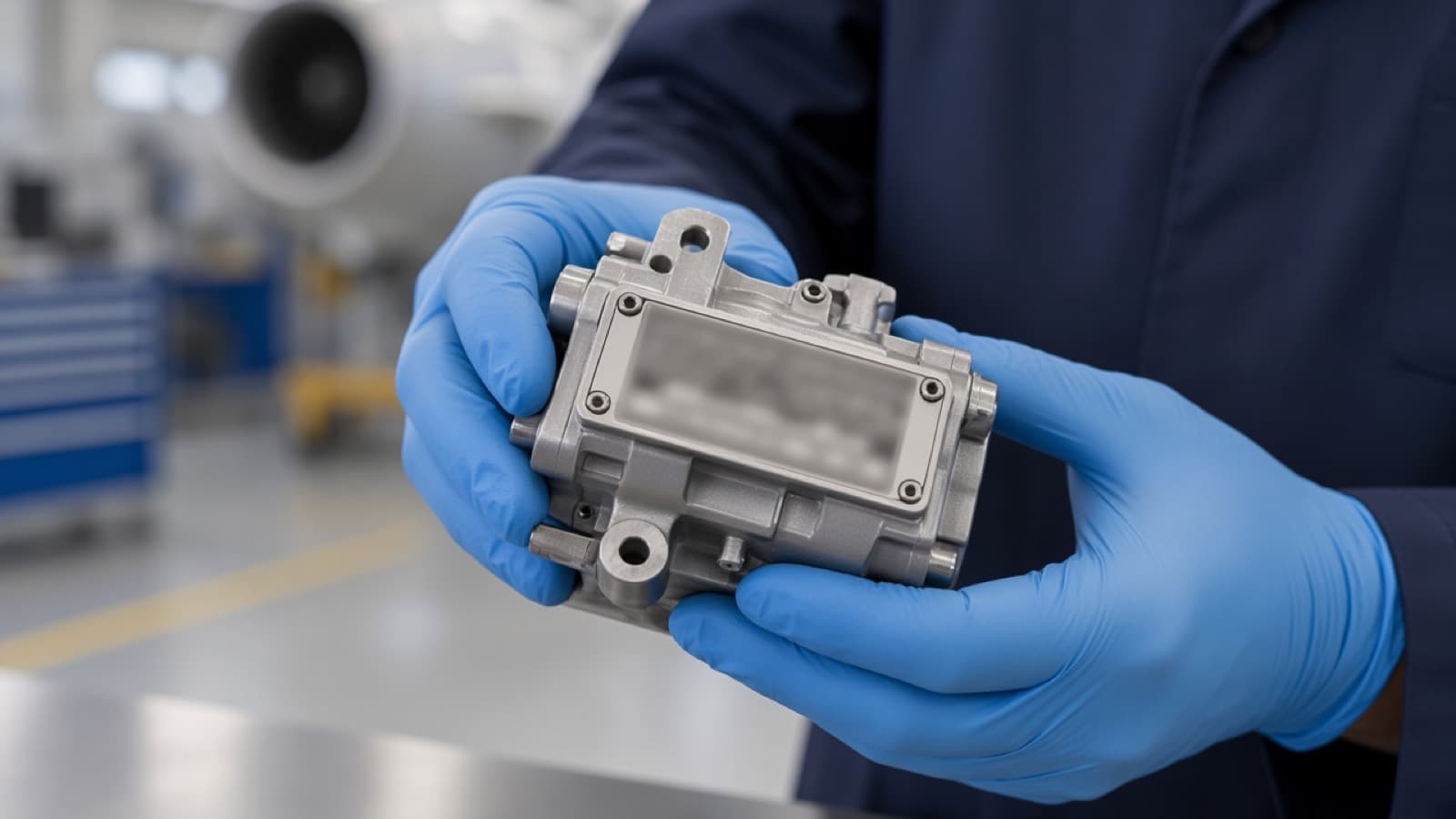
Identity of the article
Lead with the part number you can show on the article or the document, the nomenclature, and the condition. If there are alternate numbers, label them as alternates. Do not bury the real identifier under a marketing name.
Serial number, batch, and quantity matter when the article is serialised or when you hold more than one. Photos of the data plate and the overall condition help a buyer see that the listing and the unit belong together.
Condition and documents, stated plainly
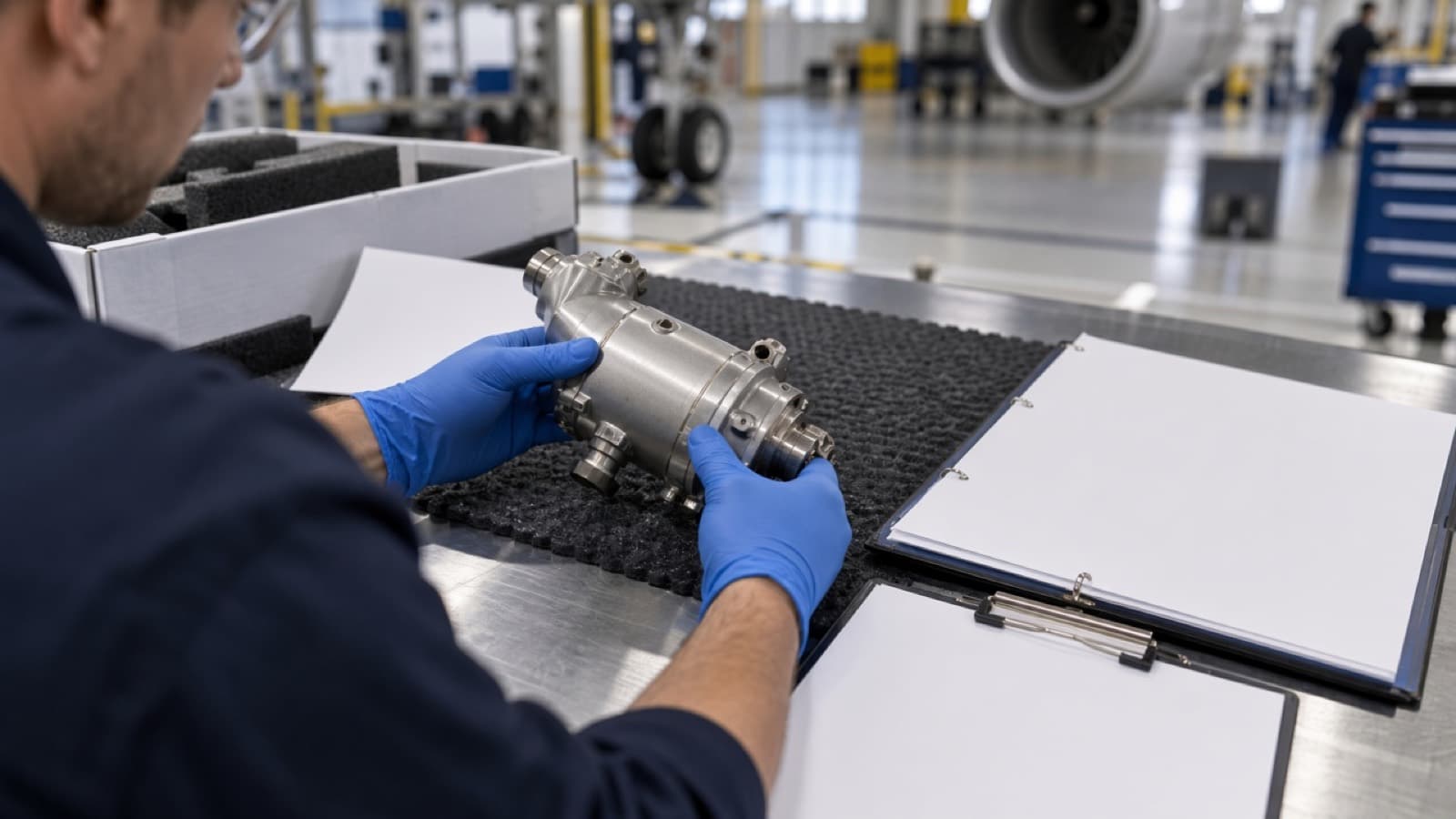
Say what you have: new, surplus, serviceable, overhauled, repaired, or as-removed, and name the document that supports it. If a release or a trace pack is missing, say that too. Hidden gaps surface later as cancelled orders.
Buyers also look for who last maintained or released the unit when work has been done, and for shelf-life or life-limit information when it applies. Leave those fields blank only when they truly do not apply, not when you have not looked.
Commercial clarity
Location, time to ship, and the currency of the price let a buyer judge fit. A listing with no location forces a second round of questions before anyone can talk about freight or export.
If you sell through an agent, the listing and the later transaction record should still make the supplier and the agent’s role understandable. Buyers stall when they cannot tell who will invoice.
A person who can answer
The best listing still needs a response. Buyers remember sellers who answer document questions with the file, not with a new adjective. Keep the supporting folder next to the listing so the answer is the same every time.
Inconsistent replies are a trust problem even when the part is genuine. One description in the listing and another in the message makes the buyer restart due diligence.
Write the listing so quality can forward it
The buyer who likes your price is often not the person who is allowed to say yes. They need a note they can send internally: part number, condition, document status, location, and quantity. If those facts are missing, your listing creates a meeting instead of an order.
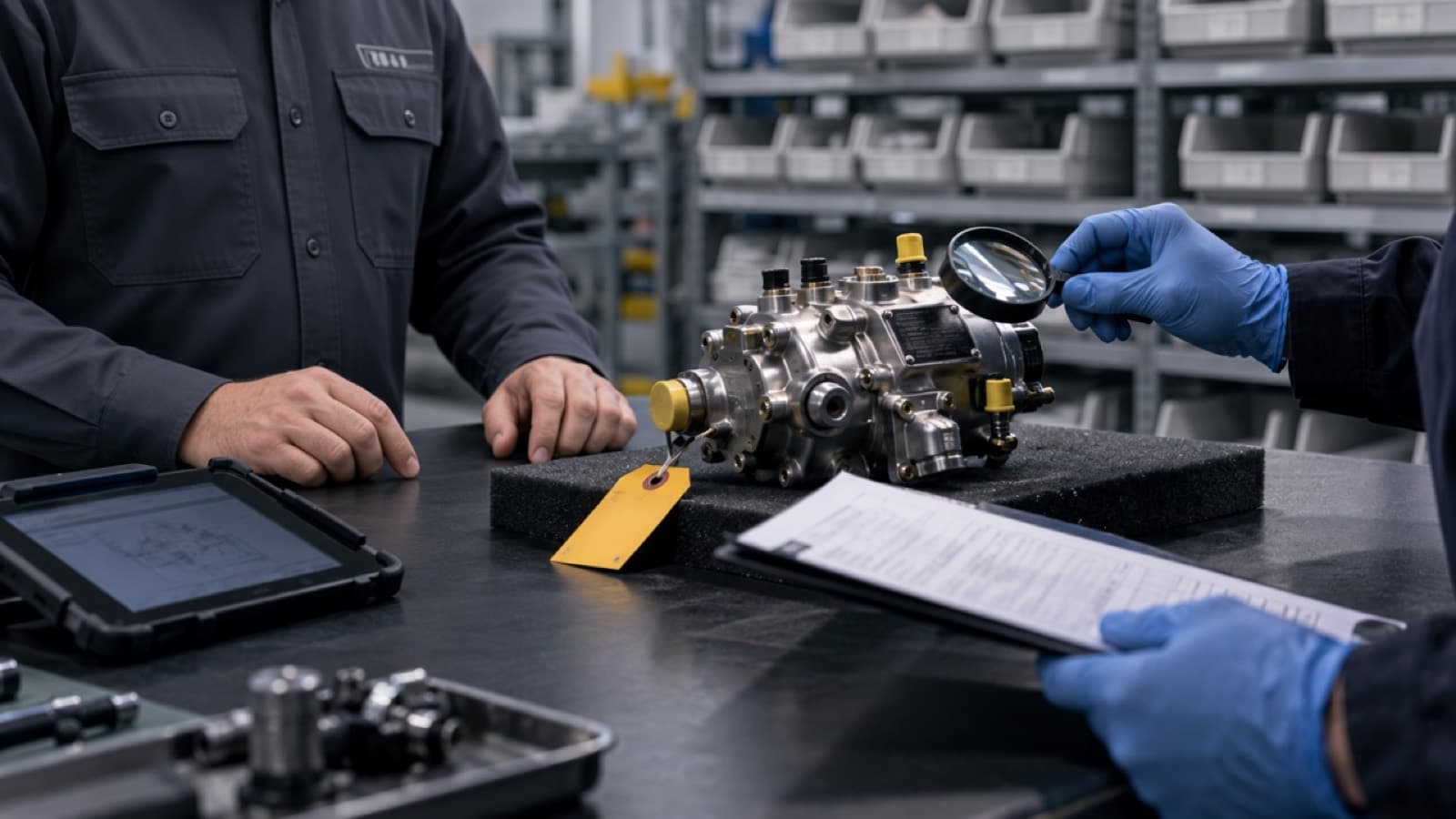
Photos should show the article and, where it exists, the data plate area. A glamour shot of a clean room does not identify a unit. If the plate is damaged or absent, say that in the text rather than cropping it out and hoping nobody asks.
State the document status in the same vocabulary you will use in the message thread. Changing from 'trace on request' in the listing to 'full trace' in the chat is how buyers restart due diligence from zero.
Answer the second question with the file you already named
The first response after a listing is usually a request for the certificate, the removal tag, or a clearer serial. Have that folder open before you publish. 'We will look' is an acceptable sentence once. It is a bad operating system.
If an agent is offering the unit for you, the listing should still make the supplier understandable. Buyers stall when they cannot tell who will invoice. Role confusion is a listing defect, not a paperwork detail for after the purchase order.
Update the line when the unit is sold, quarantined, or found to be discrepant. A buyer who travels through three messages to learn the part left last week will not treat the next listing as stock.
List with a record
Bring stock to buyers who ask for the file, not only the price
Apply as a seller, complete the review TabAir requests, and describe condition and documents in a way a buyer can evaluate.
This article is general marketplace guidance from TabAir. It is not technical, airworthiness, legal, tax, export-control, or financial advice. Buyers, sellers, and agents remain responsible for their own technical acceptance, licences, and commercial decisions.