
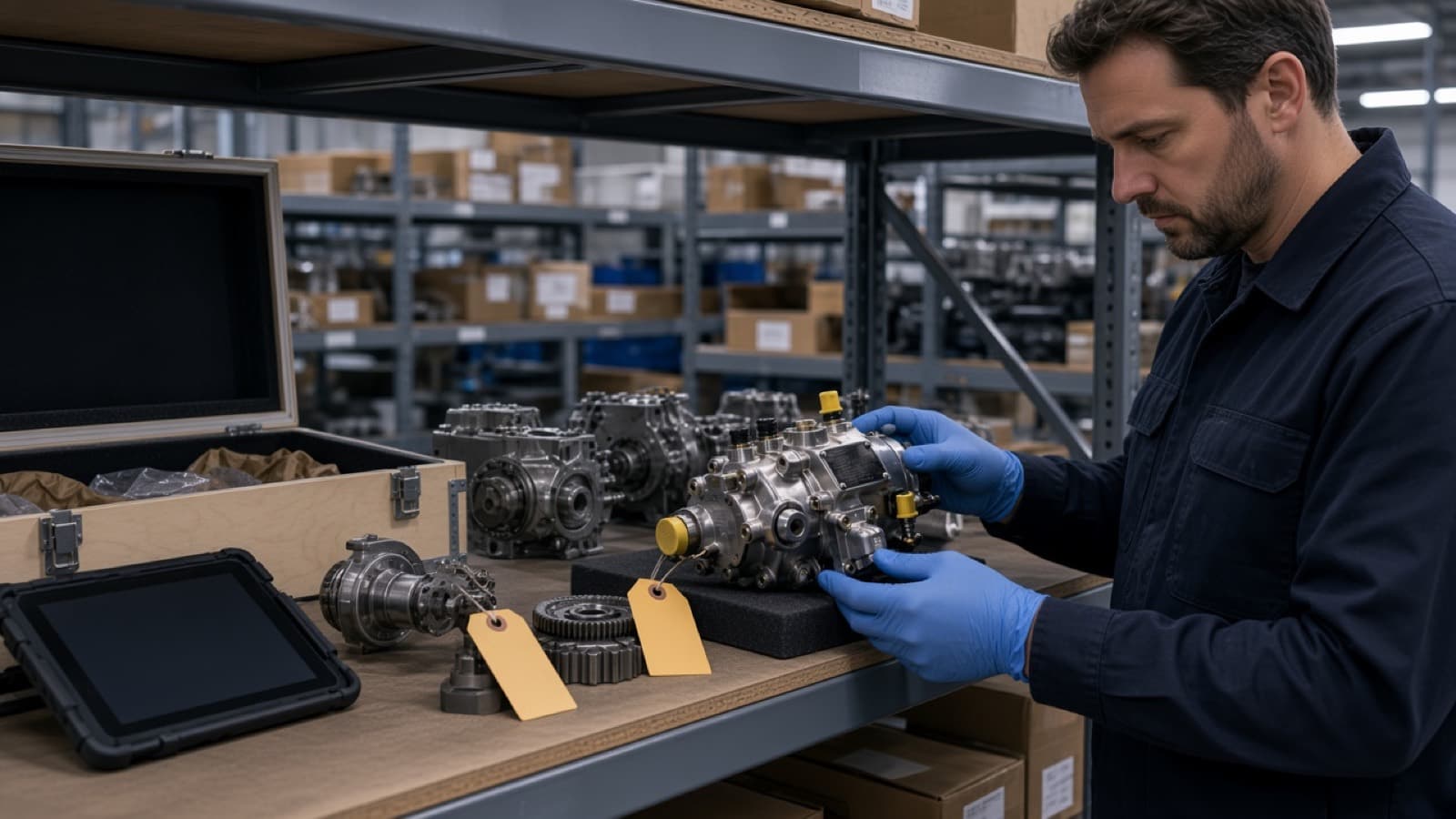
Start from the unit you actually have
Price the article in the bin, not the part number in a catalogue. Condition, remaining life where that applies, modification status, packaging, and the documents you can hand over all change what a buyer can do with it.
If the file is thin, say so in the offer. A clear “as-removed, trace on request, release not available” is easier to price honestly than a serviceable label the paperwork does not support.
Separate list price from walk-away price
Set a price you can explain and a floor that still covers your cost of money, storage, and the work of pulling the unit. Discounting to win a conversation is different from discounting because the material is slow and the file is incomplete.
Quote in one currency and state what the price includes. Buyers compare badly when one offer is ex-works and another silently includes freight, or when documents are “extra” only after the buyer asks.
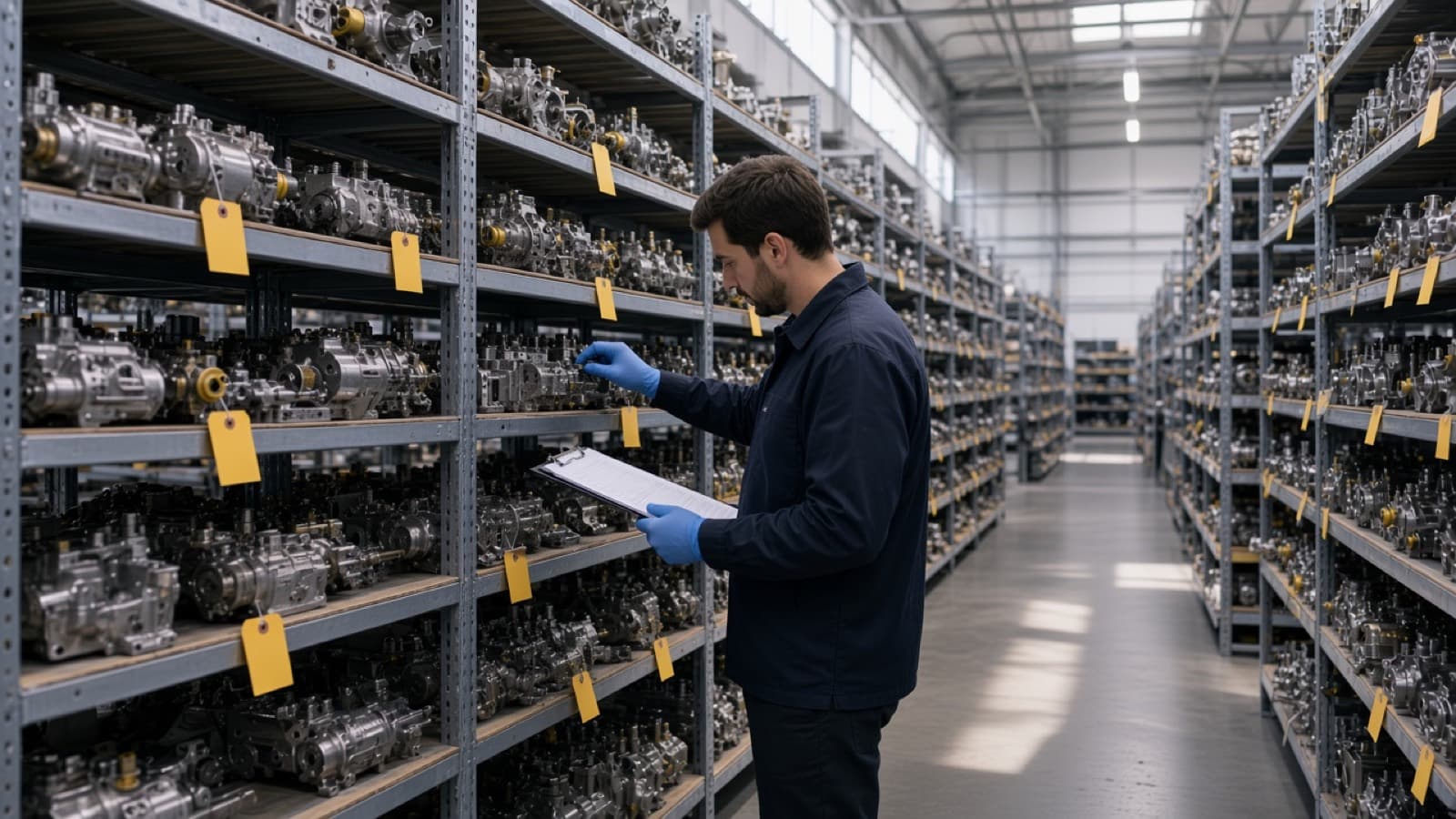
Watch demand without inventing a market
Repeat enquiries, AOG requests, and known fleet groundings are signals. A single rumour is not a price list. If you do not have recent comparable sales of your own, say that your price is an asking price based on condition and cost, not a published index.
Large distributors and OEM channels may hold the active price for new material. Surplus often wins on speed and on units those channels are not stocking. Compete on the file and the location, not on a claim that you beat every distributor.
Revisit stock that has stopped moving
A price that made sense at removal can be wrong a year later if the document gap is unchanged and storage is real. Lowering the price, improving the file, or parting out are all decisions. Leaving the tag untouched is also a decision, and it has a cost.
On TabAir, a listing should describe what you can support today. Update it when the unit moves, the condition changes, or the documents you promised are no longer in the folder.
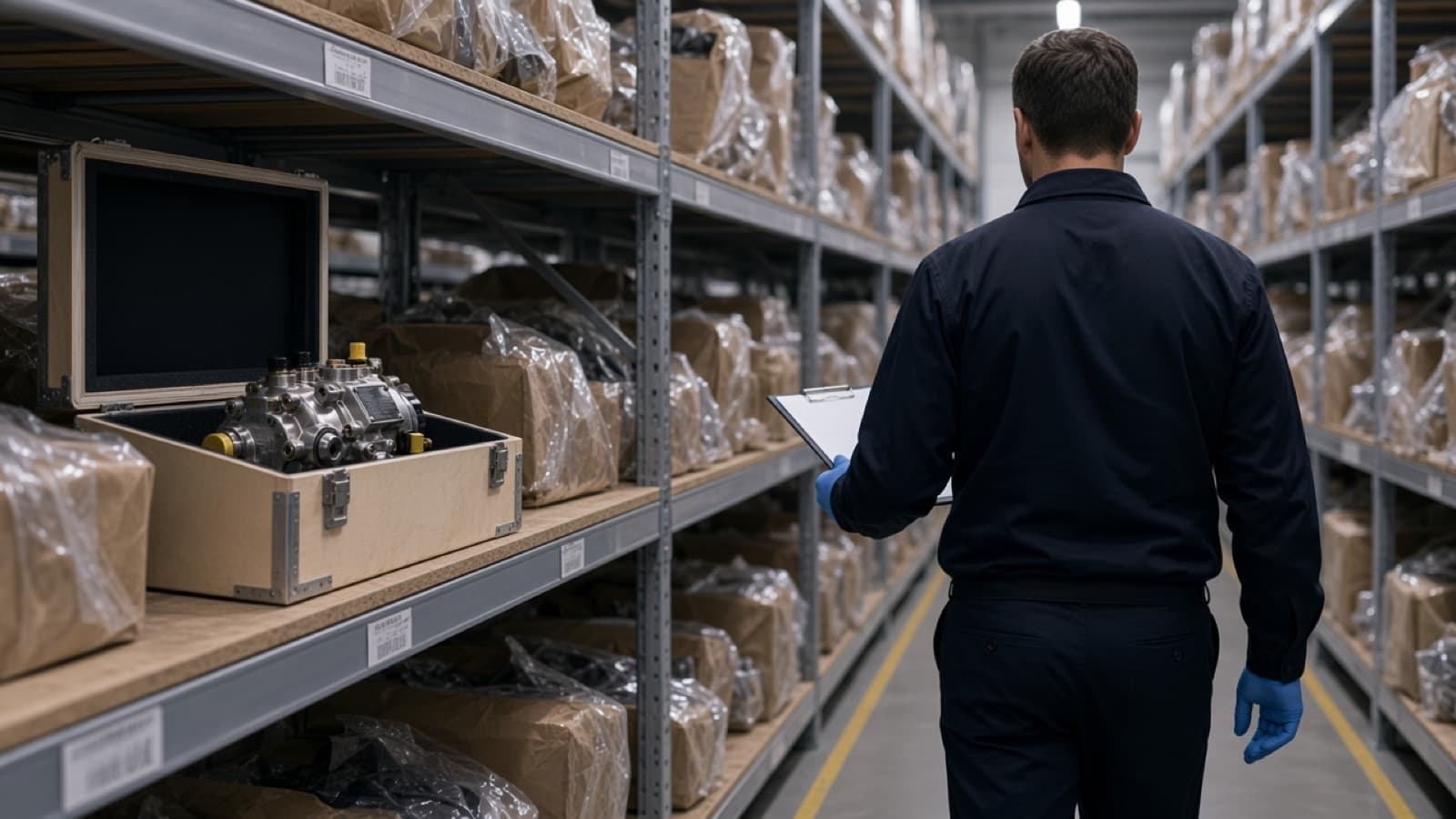
Build the price from the unit outward
Start with what you paid, what you spent to receive or repair it, and what it costs you to keep it for another quarter. Then look at condition and documents. A complete file can support a higher ask. A gap should already be reflected in the number, not discovered by the buyer as a surprise discount demand.
Write the assumptions next to the price: currency, what is included, ship-from location, and whether the unit is one of one. If you are guessing because you have no recent sale of your own, label the number as an asking price. Buyers can work with an honest ask. They cannot work with a number that pretends to be a market index.
Review the price when the file changes. A certificate that arrives, a shelf-life date that passes, or a unit that has sat through two rejected offers is not the same article you priced on day one.
Discount for a reason you can say out loud
Cutting a price to win a conversation, and cutting it because the material is slow and the documents are thin, are different decisions. The first one trains buyers to wait. The second one may be the commercially rational sale. Know which one you are doing.
Put a floor under the unit that still makes sense after storage, the time to pull it, and the platform fee you will owe if the sale runs through TabAir. The published seller platform fee is 8% of the applicable transaction value, plus any taxes or payment-provider charges. Price with that in view rather than treating it as a shock after the buyer says yes.
If you cannot explain the price to your own stores lead, do not expect a buyer's quality team to feel confident about it. The explanation is part of the offer.
List with a record
Bring stock to buyers who ask for the file, not only the price
Apply as a seller, complete the review TabAir requests, and describe condition and documents in a way a buyer can evaluate.
This article is general marketplace guidance from TabAir. It is not technical, airworthiness, legal, tax, export-control, or financial advice. Buyers, sellers, and agents remain responsible for their own technical acceptance, licences, and commercial decisions.