

Do not treat Europe as one authority
EASA rules sit alongside national authorities, operator procedures, and lease conditions. A part that is familiar in one EU operation can still need a different acceptance path for another registry or another lessor.
FAA and EASA recognition of certain approvals is real and also conditional. Read the actual acceptance basis for the article. A marketplace listing cannot settle it.
Records are part of the commercial offer
European buyers often ask early for the release, the status of work performed, and the identity of the organisation that performed it. Sellers who answer with a price and a promise of papers “after PO” lose the comparison.
Used material needs the same discipline. A serviceable label without the maintenance entry the buyer’s system requires is an incomplete offer, even when the unit looks right.

The desk is a routing tool
TabAir’s Europe desk is how enquiries tied to that region are handled inside the platform. It does not mean TabAir is an EASA-approved organisation or that a European staff member will accept the part for you.
You still name the supplier in the transaction record and you still complete your own technical acceptance.
Practical preparation
Buyers should attach the document standard and the registry or operator constraints they already know. Sellers should say which release they hold and which they do not.
If the unit must move across a border, put the shipper, the Incoterm, and the known restrictions in the same note as the part number. Splitting them across emails is how European deals lose a day at customs.
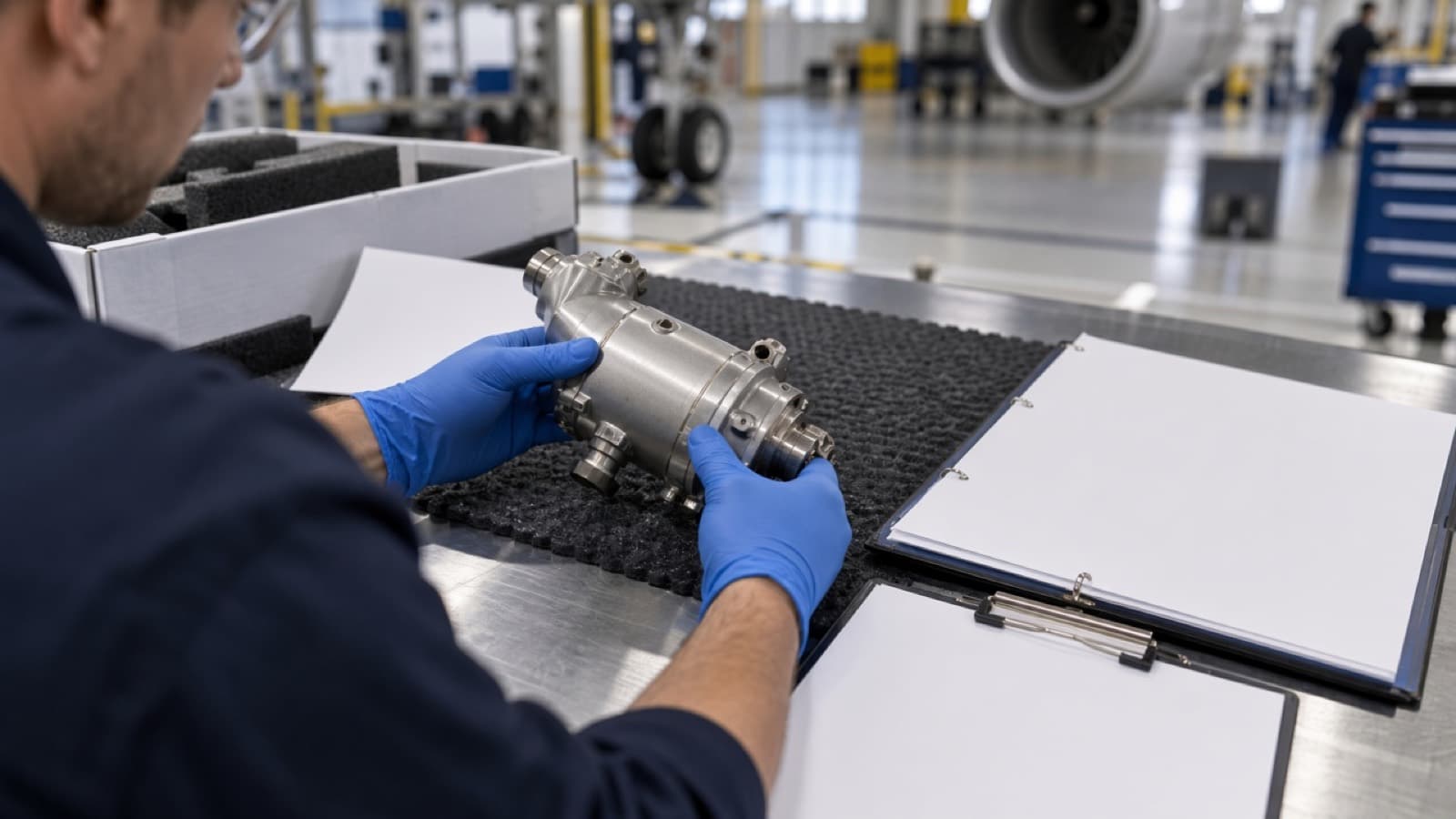
Do not treat Europe as one acceptance rule
EASA rules sit alongside national authorities, operator procedures, and lease conditions. A part that is familiar in one operation can still need a different path for another registry or another lessor. FAA and EASA recognition of certain approvals is real and also conditional. Read the basis for the article. A listing cannot settle it.
European buyers often ask early for the release, the status of work performed, and the identity of the organisation that performed it. A price with papers 'after PO' loses the comparison. Used material needs the same discipline. A serviceable label without the maintenance entry the buyer's system requires is an incomplete offer.
TabAir's Europe desk is how enquiries tied to that region are handled. It does not mean TabAir is an EASA-approved organisation or that a staff member will accept the part for you.
Put the border in the same note as the part number
If the unit must move countries, name the shipper, the delivery term, and the known restrictions with the part number. Splitting them across emails is how deals lose a day at the border. Sellers should say which release they hold and which they do not.
Attach the document standard and any registry or operator constraint you already know. Do not make the seller guess which 'European' standard you mean. There are several.
The supplier remains the party in the transaction record. Desk assignment does not choose them and does not certify the listing.
Start a requirement
Put the part, the records, and the timeline in one request
Describe the article, condition, documentation, and delivery need through TabAir. A structured request is easier to compare than a chain of informal calls.
This article is general marketplace guidance from TabAir. It is not technical, airworthiness, legal, tax, export-control, or financial advice. Buyers, sellers, and agents remain responsible for their own technical acceptance, licences, and commercial decisions.