

A regional corridor, not one regime
Airlines and maintenance capacity across Southeast Asia support both local fleets and aircraft that are only passing through. National import rules, tax treatment, and aviation authorities are not identical from one member state to the next.
A seller in one ASEAN country and a buyer in another still have an international shipment unless they have confirmed otherwise. Do not let a regional label erase the border.
Maintenance capacity creates surplus and demand together
Shops generate removed material and also consume serviceable stock. Both can be legitimate marketplace inventory when title is clear and the condition is stated honestly.
Buyers should ask whether a unit offered from a shop is surplus the shop may sell, or customer property still tied to a work order. Sellers must know the answer before they list.
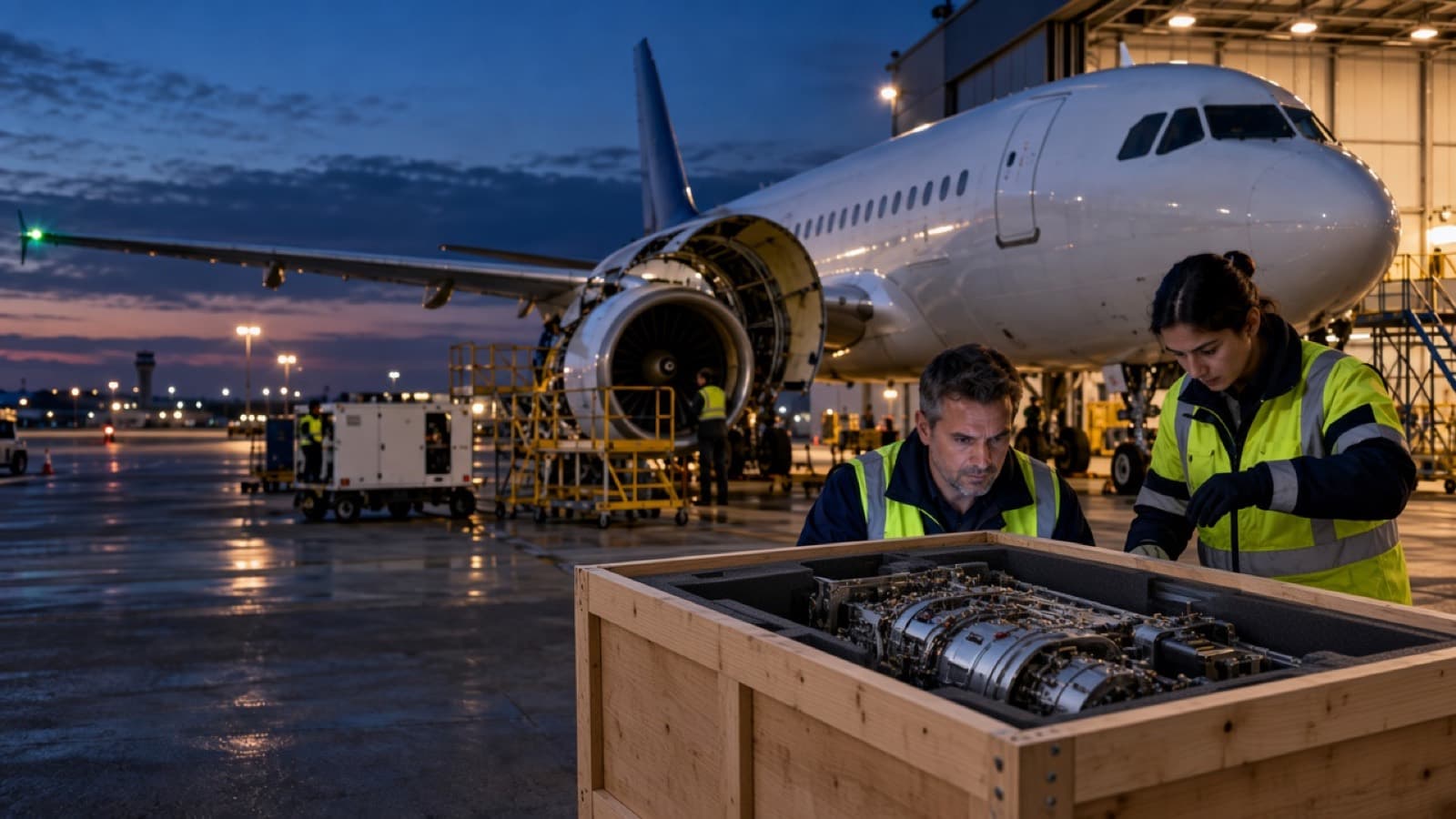
The ASEAN desk
TabAir uses ASEAN as an operations region so enquiries for that part of the world reach the staff assigned to it. The company’s registered office is in Singapore, which is also where TABBDOC AIRCRAFT PTE. LTD. is incorporated. Singapore registration is not an ASEAN-wide operating licence.
Desk assignment does not certify a listing and does not choose the supplier for you.
Make the cross-border facts explicit
Put ship-from country, destination, required documents, and any known permit in the requirement. Sellers should do the same on the listing.
If you only know the part number, you are not ready to judge an ASEAN offer. You are ready to ask better questions.

A corridor is not one regime
Airlines and maintenance capacity across Southeast Asia support local fleets and aircraft that are only passing through. National import rules, tax treatment, and aviation authorities are not identical from one state to the next. A seller in one country and a buyer in another still have an international shipment unless they have confirmed otherwise.
Shops generate removed material and also consume serviceable stock. Both can be legitimate inventory when title is clear and the condition is stated honestly. Buyers should ask whether a unit from a shop is surplus the shop may sell, or customer property still tied to a work order.
TabAir uses ASEAN as an operations region so enquiries reach the staff assigned to it. The company's registered office is in Singapore, which is also where TABBDOC AIRCRAFT PTE. LTD. is incorporated. Singapore registration is not an ASEAN-wide operating licence, and desk assignment does not certify a listing.
Make the border explicit
Put ship-from country, destination, required documents, and any known permit in the requirement. Sellers should do the same on the listing. If you only know the part number, you are not ready to judge the offer. You are ready to ask better questions.
Do not let a regional label erase packing, export, and who clears the goods. Those facts change the lead time more than the brand of the marketplace.
The contracting supplier remains the business named in the transaction record. The desk coordinates the workflow. It does not become the seller.
Start a requirement
Put the part, the records, and the timeline in one request
Describe the article, condition, documentation, and delivery need through TabAir. A structured request is easier to compare than a chain of informal calls.
This article is general marketplace guidance from TabAir. It is not technical, airworthiness, legal, tax, export-control, or financial advice. Buyers, sellers, and agents remain responsible for their own technical acceptance, licences, and commercial decisions.