
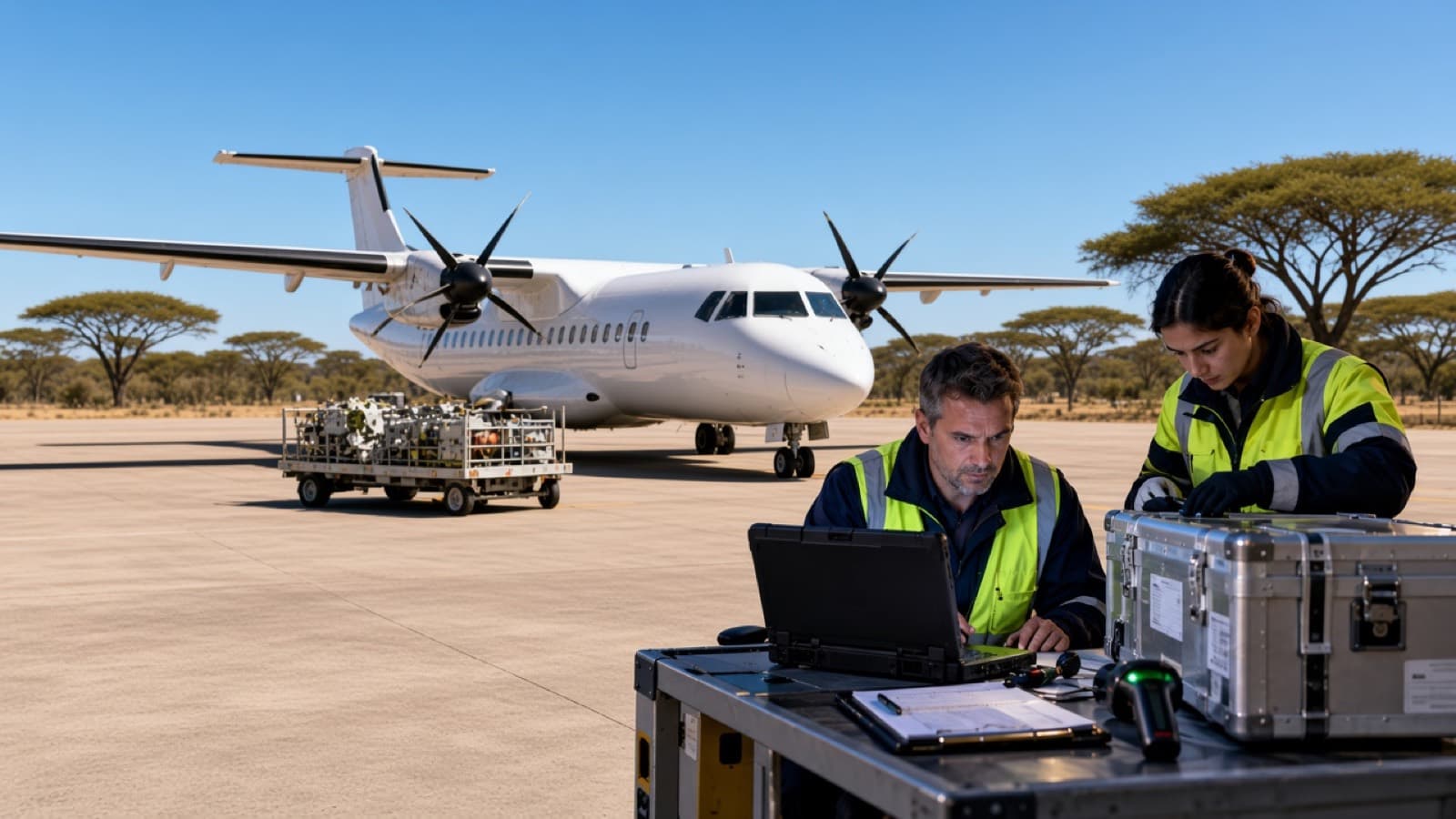
Availability is local and imported
Some material is already on the continent, and a lot is not. Buyers should ask where the unit actually is, not which broker’s office answered the phone. Freight time and export time belong in the promise.
A longer route is a reason to confirm documents before the shipment, because a return from a remote station is slow and expensive.
Acceptance does not loosen with distance
The operator’s authority, the approved maintenance organisation, and any lessor still need the records they need. Urgency at an outstation is how unverified material gets installed, and it is also how it gets refused at the door.
State the condition you can accept and the condition you cannot. As-removed stock can be a legitimate offer. It is not a serviceable unit that has not been inspected yet.

TabAir’s Africa desk
Enquiries that map to Africa are routed to that operations desk so the right staff can see them. The desk is not a local certification, a bonded store, or a promise of in-country stock.
The supplier remains the party named in the transaction. TabAir coordinates the record. It does not become the importer or the carrier.
What a complete request includes
Include the station or city where the part is needed, the documents required before shipment, and who will clear it. Those three facts change which units are real options.
Sellers should be honest about packing and about how fast they can present the unit to a courier. A same-day claim that ignores the document pack is not a lead time.
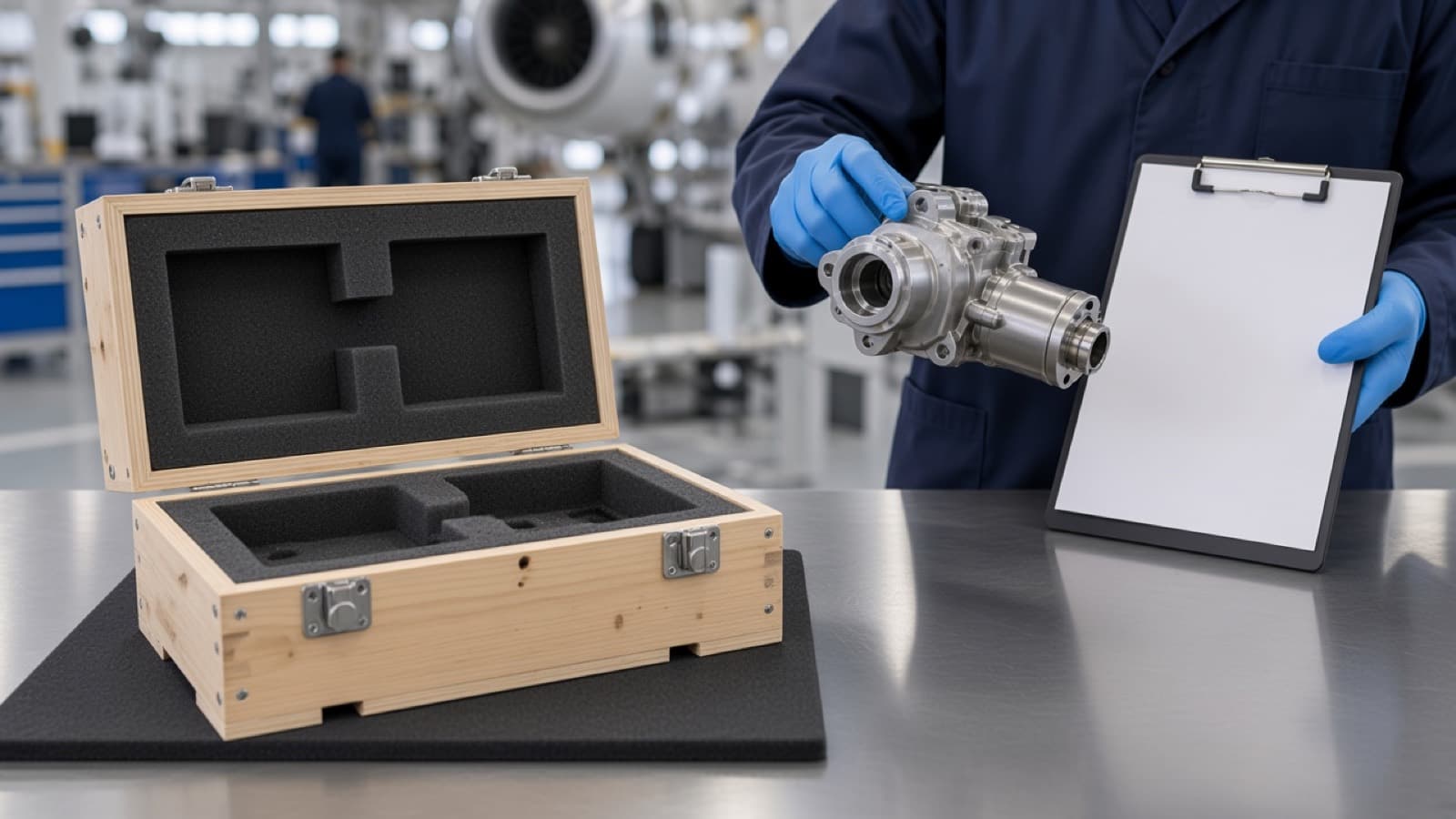
Ask where the unit actually is
Some material is already on the continent, and a lot is not. The broker's office and the stock location are different facts. Freight time and export time belong in the promise. A longer route is a reason to confirm documents before shipment, because a return from a remote station is slow and expensive.
The operator's authority, the approved maintenance organisation, and any lessor still need the records they need. Urgency at an outstation is how unverified material gets waved through, and also how it gets refused at the door. State the condition you can accept. As-removed can be a legitimate offer. It is not a serviceable unit that has not been inspected.
TabAir's Africa desk routes those enquiries to assigned staff. It is not a local certification, a bonded store, or a promise of in-country stock. TabAir does not become the importer or the carrier.
Three facts change which units are real
Include the station or city where the part is needed, the documents required before shipment, and who will clear it. Without those, a confident lead time is a guess. Sellers should be honest about packing and about how fast they can present the unit to a courier.
A same-day claim that ignores the document pack is not a lead time. Say when the file will be ready and when the box can move. If those are different days, publish both.
Payment still follows the named supplier, checked on a trusted channel. Distance does not make a changed account safer.
Start a requirement
Put the part, the records, and the timeline in one request
Describe the article, condition, documentation, and delivery need through TabAir. A structured request is easier to compare than a chain of informal calls.
This article is general marketplace guidance from TabAir. It is not technical, airworthiness, legal, tax, export-control, or financial advice. Buyers, sellers, and agents remain responsible for their own technical acceptance, licences, and commercial decisions.